Regional Licensing Variations Driving Shifts in Preferred Payment Channels for Complimentary Play Sessions Across Handheld Gaming Networks
Yara Krause · Oct 14, 2026
Regional Licensing Variations Driving Shifts in Preferred Payment Channels for Complimentary Play Sessions Across Handheld Gaming Networks
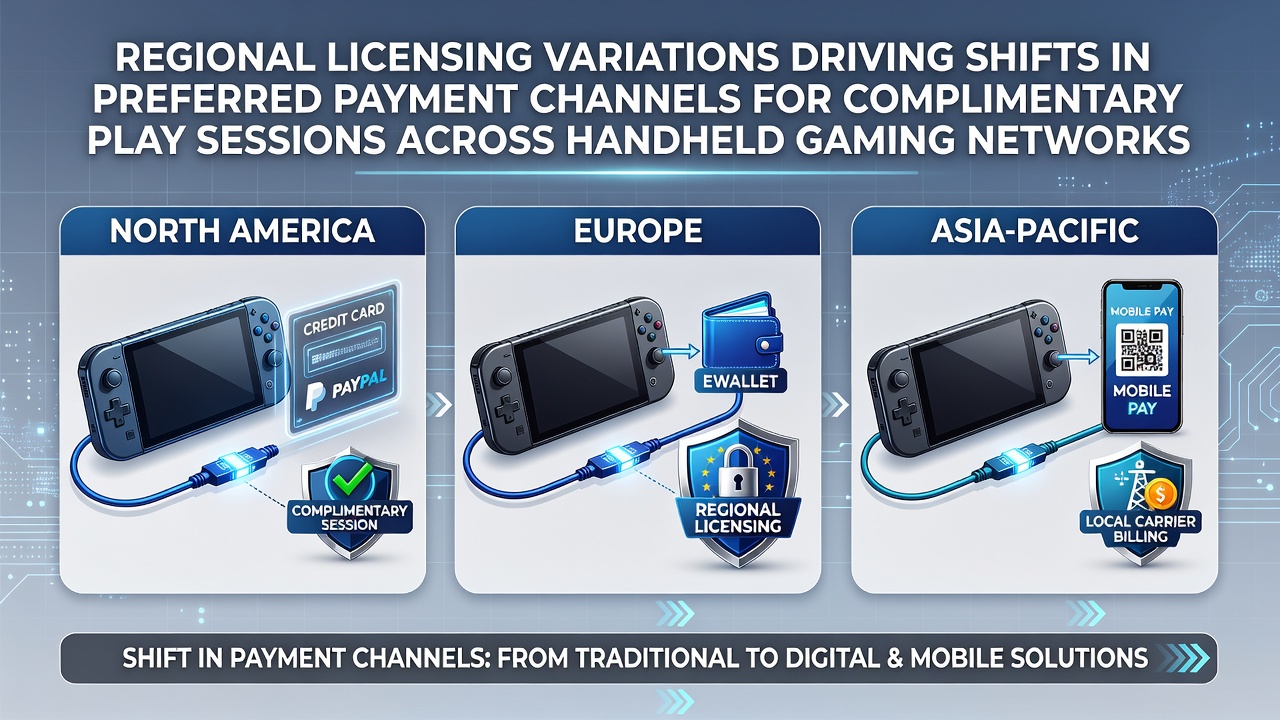
Regional licensing frameworks have created distinct patterns in how operators select payment channels for complimentary play sessions on handheld devices, and these differences continue to shape user access across markets. Data from industry tracking services shows that jurisdictions with strict local banking integration rules often favor domestic e-wallets and instant bank transfers while regions with more flexible cross-border policies support a wider mix of digital options including certain cryptocurrency gateways when permitted.
Licensing Structures Across Key Markets
European markets maintain varied approaches through national authorities that set compliance standards for payment processing in free-to-play environments, and observers note that operators adjust their channel preferences accordingly to meet audit requirements for complimentary credit distribution. In contrast, several Asian jurisdictions apply centralized licensing models that prioritize partnerships with regionally approved financial institutions, which in turn directs traffic toward specific mobile banking applications during no-deposit promotions. North American state-level regulations add another layer where individual gaming control boards dictate transaction verification steps that influence whether operators route complimentary play funds through established card networks or emerging digital wallet providers.
Payment Channel Preferences in Handheld Environments
Handheld gaming networks have seen measurable movement toward payment methods that align with local license conditions for free session activation, and figures released in October 2026 indicate rising adoption of region-specific instant transfer solutions in markets with recent policy updates. Researchers tracking these shifts report that platforms operating under multiple licenses frequently maintain parallel payment stacks so users receive the channel most compatible with their location's rules. This segmentation becomes particularly visible during complimentary play periods when operators must ensure seamless funding without triggering additional compliance checks that vary by territory.
Examples from Recent Regulatory Adjustments
One case involves operators in the Asia-Pacific region who expanded support for local digital wallets after licensing bodies clarified transaction reporting thresholds for bonus credit usage, and similar patterns appear in select Canadian provinces where provincial regulators have streamlined approval processes for certain mobile payment processors. Industry reports from the North American Gaming Regulators Association highlight how these changes reduced processing times for free play sessions on tablets and smartphones while maintaining required player verification standards. Meanwhile, European operators continue to balance EU-wide directives with national variations that affect which e-wallet providers qualify for integration in complimentary gaming applications.
Impact on User Behavior and Platform Design
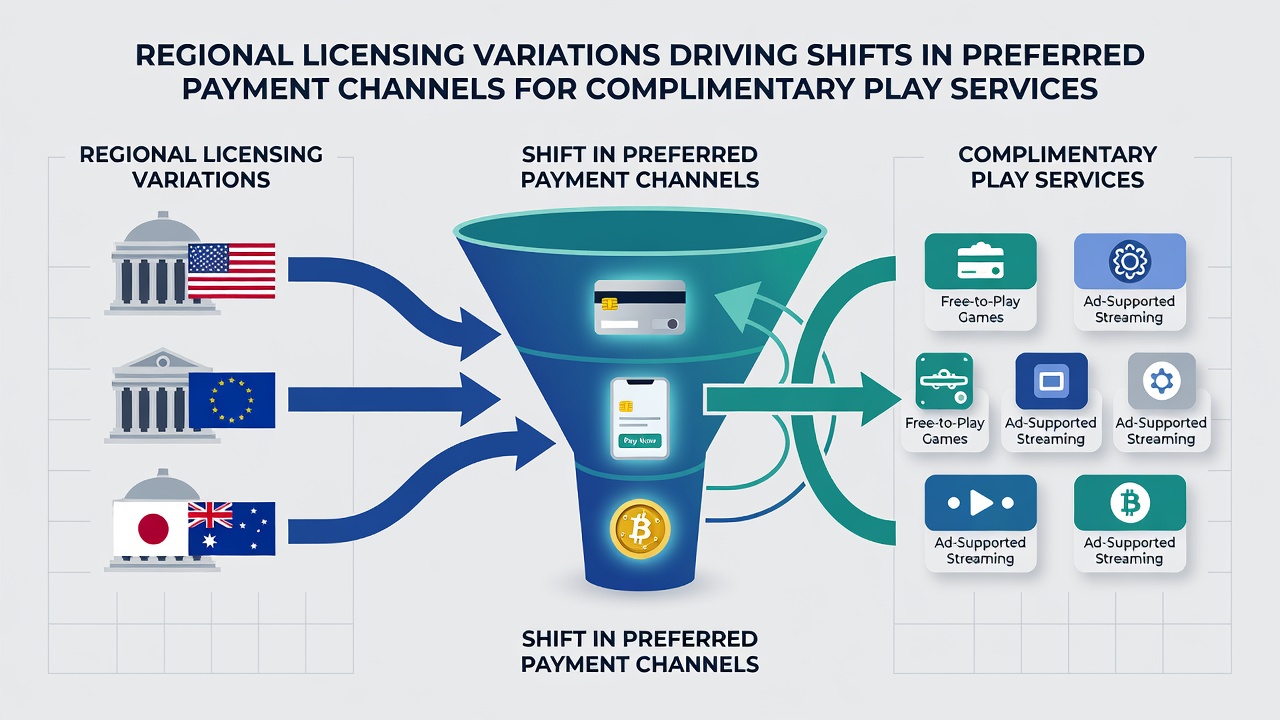
Platform developers have responded by embedding conditional payment routing logic that detects user location at the start of a complimentary session and surfaces only the approved channels for that jurisdiction, and this approach helps maintain compliance while preserving session continuity. Studies from academic institutions examining digital gaming ecosystems indicate that such adaptations correlate with higher completion rates for free play activities when payment friction remains low. Those who monitor these networks point out that operators with global footprints invest in modular payment architectures precisely because licensing variations make single-channel strategies impractical for handheld delivery.
Future Outlook for Integrated Systems
Continued evolution in licensing requirements suggests further refinement of payment preferences will occur as new handheld platforms enter regulated markets, and organizations like the European Gaming and Betting Association track these developments through ongoing member surveys. Regulatory bodies in Australia and parts of South America have signaled upcoming reviews that could introduce additional approved channels or restrict others for complimentary play, prompting operators to prepare flexible integrations ahead of implementation dates. Data from these sources shows operators already allocating resources toward real-time compliance engines that map license conditions to available payment rails for free session distribution.
Conclusion
Regional licensing variations continue to drive measurable shifts in preferred payment channels for complimentary play sessions across handheld gaming networks, and the patterns observed through October 2026 demonstrate how operators adapt their technical infrastructure to satisfy diverse regulatory environments. These adjustments support broader access to free play options while aligning with jurisdiction-specific financial oversight requirements that differ substantially between markets.